

Sustainability & Future Living
- Sean Threlkeld
- 2 days ago
- 3 min read
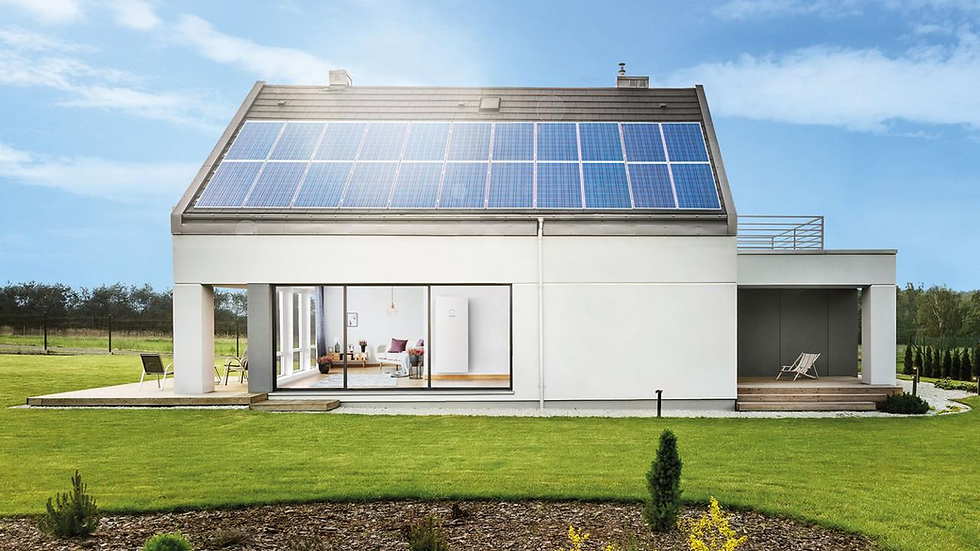
The future of housing is being shaped by a growing focus on sustainability, technology, and long-term efficiency. As homeowners become more environmentally conscious and energy costs continue to rise, builders, architects, and buyers are embracing innovative solutions that reduce environmental impact while improving comfort and quality of life.
From energy-efficient homes and smart technology to sustainable communities and renewable energy systems, the homes of tomorrow are already taking shape today.
Why Sustainability Matters in Real Estate
Sustainability is no longer a niche trend—it's becoming a key consideration for homeowners and buyers alike.
Benefits of sustainable living include:
Lower utility costs
Reduced environmental impact
Improved indoor air quality
Increased home efficiency
Enhanced comfort
Potential long-term property value growth
As awareness grows, many buyers are actively seeking homes with eco-friendly features.
Energy-Efficient Homes Are Becoming the Standard
One of the most important aspects of future living is reducing energy consumption.
Popular energy-efficient features include:
High-performance insulation
Energy-efficient windows
LED lighting
Smart thermostats
Energy Star-rated appliances
Advanced HVAC systems
These improvements can significantly reduce monthly energy expenses while increasing comfort.
Solar Power and Renewable Energy
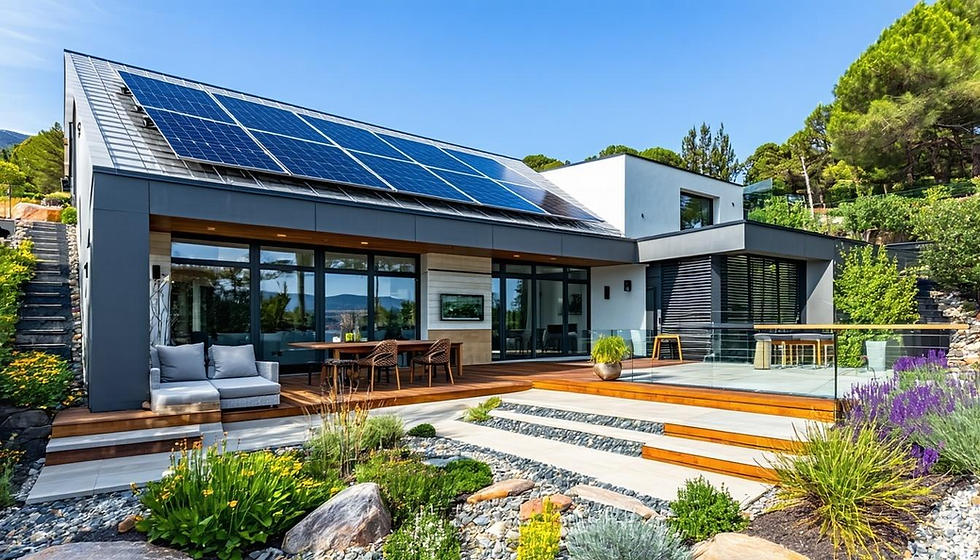
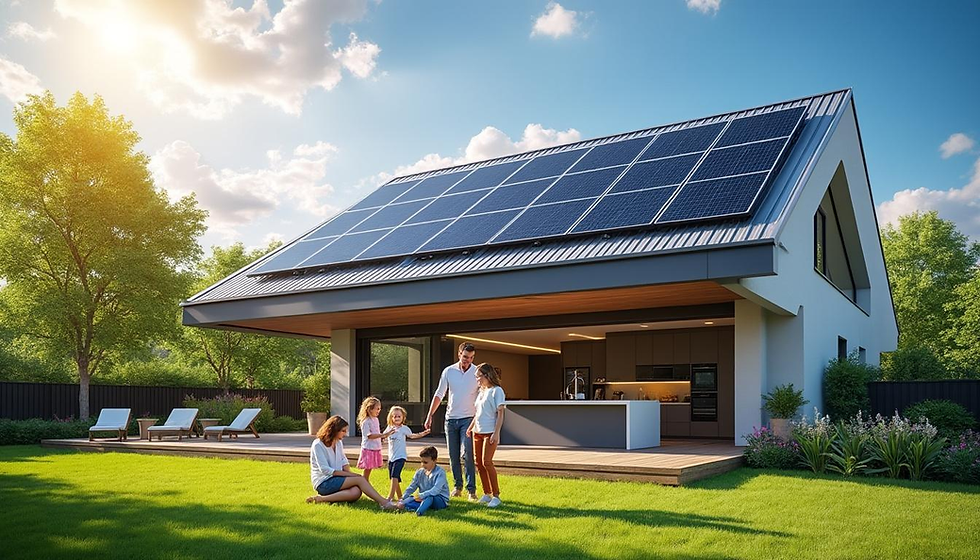
Solar energy continues to gain popularity as technology improves and installation costs become more accessible.
Benefits of solar power include:
Reduced electricity bills
Lower carbon emissions
Greater energy independence
Potential tax incentives in some regions
Many homeowners are also incorporating battery storage systems that allow excess energy to be stored for later use.
Smart Homes and Sustainable Technology
Technology plays a major role in future living.
Smart home systems can help homeowners:
Monitor energy usage
Control lighting remotely
Optimize heating and cooling
Detect water leaks
Improve security
These technologies not only enhance convenience but also contribute to more efficient resource management.
Water Conservation Solutions
Water conservation is becoming increasingly important in many regions.
Popular features include:
Low-flow fixtures
Smart irrigation systems
Drought-tolerant landscaping
Rainwater collection systems
Water-efficient appliances
Reducing water consumption benefits both homeowners and the environment.
Sustainable Building Materials
Builders are increasingly incorporating environmentally friendly materials into home construction.
Examples include:
Reclaimed wood
Recycled steel
Bamboo flooring
Sustainable insulation products
Low-VOC paints and finishes
These materials can reduce environmental impact while creating healthier indoor spaces.
Health and Wellness-Centered Design
Future homes are being designed with wellness in mind.
Popular features include:
Enhanced natural lighting
Improved ventilation systems
Air purification technology
Non-toxic materials
Dedicated fitness and wellness spaces
The connection between housing and personal well-being has become increasingly important.
Electric Vehicle Integration
As electric vehicle adoption continues to grow, homes are adapting to support changing transportation needs.
Features increasingly sought by buyers include:
EV charging stations
Solar-powered charging systems
Energy storage integration
Many new developments now include EV-ready infrastructure.
Sustainable Communities
Future living extends beyond individual homes.
Many communities are being designed around:
Walkability
Public transportation access
Green spaces
Mixed-use development
Bike-friendly infrastructure
These features help reduce dependence on automobiles and support healthier lifestyles.
The Rise of Net-Zero Homes
Net-zero homes produce as much energy as they consume over the course of a year.
These homes often include:
Solar panels
Superior insulation
Efficient HVAC systems
Smart energy management
As technology advances, net-zero construction is becoming increasingly achievable.
Climate Resilience and Future Housing
Builders and homeowners are also focusing on resilience.
Future-ready homes may include:
Storm-resistant construction
Flood mitigation systems
Fire-resistant materials
Backup energy solutions
Advanced weather monitoring technology
These features help properties adapt to changing environmental conditions.
Features Future Buyers Want Most
Feature | Why It Matters |
Solar Panels | Lower energy costs |
Smart Home Technology | Convenience and efficiency |
Energy-Efficient Appliances | Reduced utility expenses |
EV Charging Stations | Supports electric vehicles |
Water Conservation Systems | Resource efficiency |
Sustainable Materials | Environmental responsibility |
Improved Air Quality | Better health and comfort |
Flexible Living Spaces | Adaptability to changing needs |
Home Offices | Remote work support |
Outdoor Living Areas | Enhanced lifestyle and wellness |
Challenges of Sustainable Living
While sustainable homes offer many advantages, homeowners should consider:
Initial installation costs
Technology maintenance
Local regulations
Climate-specific requirements
Return on investment timelines
Fortunately, many sustainable improvements generate savings over time that can offset upfront expenses.
Final Thoughts
Sustainability and future living are transforming the way homes are designed, built, and experienced. Today's buyers increasingly value energy efficiency, smart technology, wellness-focused design, and environmentally responsible features that support both their lifestyles and the planet.
As innovation continues to reshape the housing industry, sustainable homes are becoming more than a trend—they are becoming the foundation of modern living. Homeowners who embrace these advancements can enjoy lower operating costs, greater comfort, and a property that is better prepared for the future.

Comments