

Eco-Friendly Home Design Ideas
- Sean Threlkeld
- 3 days ago
- 3 min read
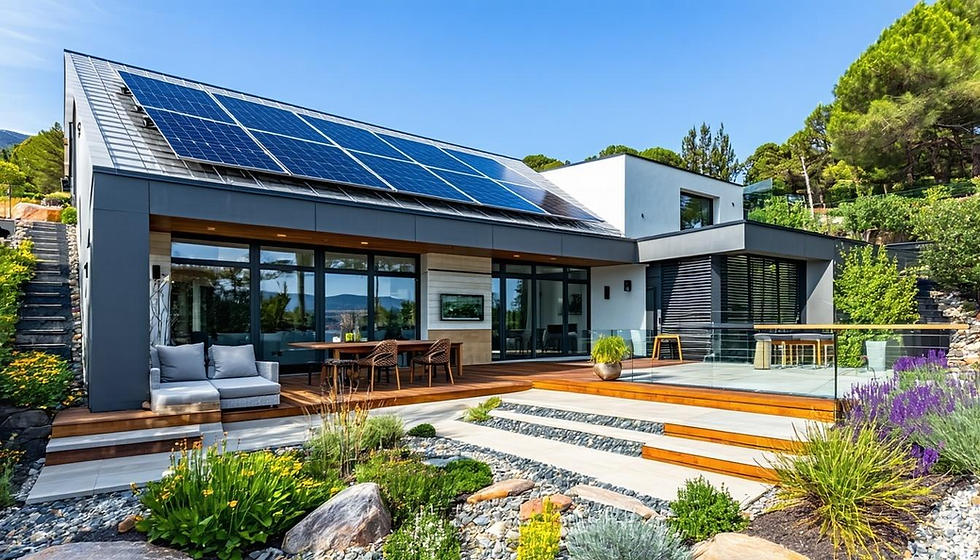
Sustainable living has become more than a trend—it's a smart approach to creating a healthier, more efficient, and environmentally responsible home. Whether you're building a new property, renovating an existing one, or simply looking for ways to reduce your environmental footprint, eco-friendly home design can help you save money, improve comfort, and contribute to a greener future.
The good news is that sustainable design doesn't mean sacrificing style. Today's eco-friendly homes combine modern aesthetics with innovative technologies and environmentally conscious materials.
Maximize Natural Light
One of the simplest ways to make a home more sustainable is by taking advantage of natural light.
Benefits include:
Reduced electricity usage
Lower energy costs
Improved mood and well-being
Brighter living spaces
Consider:
Larger windows
Skylights
Glass doors
Open floor plans that allow light to flow throughout the home
Choose Energy-Efficient Windows
Windows play a major role in a home's energy performance.
Look for:
Double-pane or triple-pane glass
Low-E coatings
Proper sealing
Energy-efficient window frames
These features help keep homes cooler in summer and warmer in winter while reducing energy consumption.
Install Solar Panels
Solar energy continues to be one of the most popular sustainable home upgrades.
Advantages include:
Reduced utility bills
Renewable energy production
Increased energy independence
Potential long-term savings
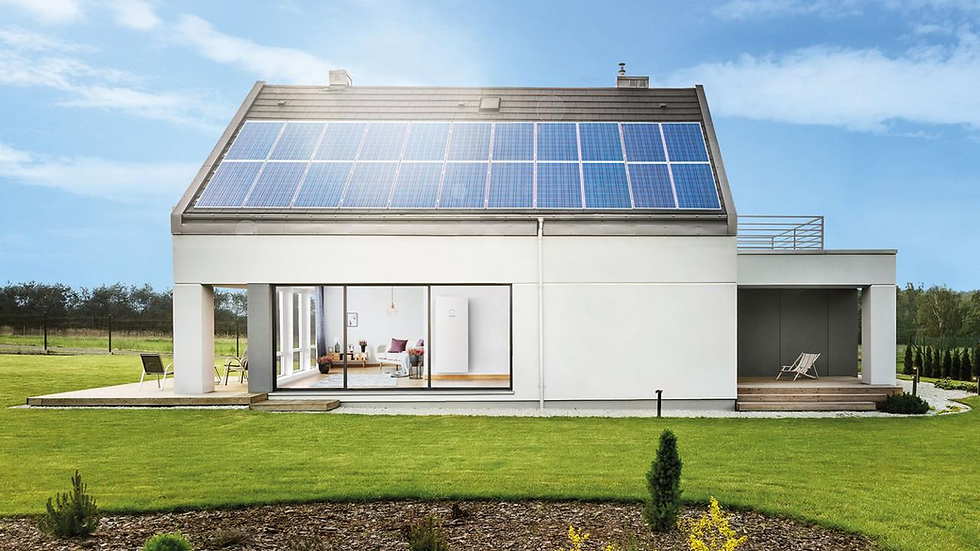
Many homeowners are also pairing solar systems with battery storage for additional efficiency.
Use Sustainable Building Materials
Eco-friendly materials can reduce environmental impact while creating a beautiful home.
Popular options include:
Reclaimed wood
Bamboo flooring
Recycled steel
Cork flooring
Recycled glass countertops
Sustainably sourced lumber
These materials often provide unique character while supporting responsible construction practices.
Improve Insulation
Proper insulation is one of the most effective ways to improve energy efficiency.
Benefits include:
Lower heating costs
Reduced cooling expenses
Improved comfort
Less strain on HVAC systems
Well-insulated homes maintain consistent temperatures throughout the year.
Install Smart Home Technology
Technology can help homeowners manage energy usage more effectively.
Smart devices include:
Programmable thermostats
Smart lighting systems
Energy-monitoring devices
Automated blinds
Leak detection sensors
These tools improve convenience while reducing wasted resources.
Design Water-Efficient Landscapes
Outdoor spaces can have a significant environmental impact.
Consider:
Native plants
Drought-tolerant landscaping
Drip irrigation systems
Rainwater collection systems
Mulching to reduce evaporation
Water-efficient landscaping can reduce maintenance requirements and utility costs.
Upgrade to Energy-Efficient Appliances
Modern appliances use less energy and water than older models.
Look for:
Energy Star-certified refrigerators
High-efficiency dishwashers
Efficient washing machines
Induction cooktops
These upgrades can lower monthly operating expenses while improving performance.
Create Better Indoor Air Quality
Sustainable homes should support occupant health as well as environmental goals.
Ways to improve indoor air quality include:
Using low-VOC paints
Installing air purification systems
Increasing natural ventilation
Choosing non-toxic materials
Healthier indoor environments contribute to overall well-being.
Incorporate Recycled and Repurposed Decor
Sustainability extends beyond construction materials.
Decor ideas include:
Vintage furniture
Reclaimed wood shelving
Repurposed fixtures
Recycled textiles
These elements add personality while reducing waste.
Consider a Green Roof or Living Wall
For homeowners seeking advanced eco-friendly features, green roofs and living walls offer both environmental and aesthetic benefits.
Potential advantages include:
Improved insulation
Reduced stormwater runoff
Enhanced air quality
Increased biodiversity
These features can make a home stand out while supporting sustainability goals.
Install Water-Saving Fixtures
Reducing water consumption is an important component of eco-friendly living.
Consider:
Low-flow showerheads
Water-efficient faucets
Dual-flush toilets
Smart irrigation systems
Small changes can result in meaningful water savings over time.
Design Flexible Living Spaces
Future-focused homes prioritize adaptability.
Examples include:
Multi-purpose rooms
Home offices
Convertible guest spaces
Flexible storage solutions
Adaptable designs reduce the need for future renovations and maximize functionality.
Eco-Friendly Features Buyers Love
Feature | Benefit |
Solar Panels | Lower energy costs |
Smart Thermostats | Improved efficiency |
Energy-Efficient Windows | Better insulation |
Sustainable Materials | Reduced environmental impact |
LED Lighting | Lower electricity usage |
Water-Saving Fixtures | Reduced water bills |
Native Landscaping | Less maintenance |
Healthy Indoor Air Systems | Improved wellness |
Energy-Efficient Appliances | Lower operating costs |
Flexible Living Spaces | Long-term adaptability |
Small Changes Can Make a Big Difference
Not every eco-friendly improvement requires a major renovation.
Simple upgrades include:
Switching to LED bulbs
Installing programmable thermostats
Sealing air leaks
Using reusable materials
Planting shade trees
Reducing water waste
These smaller steps can collectively create significant environmental and financial benefits.
Final Thoughts
Eco-friendly home design combines sustainability, comfort, and modern style to create living spaces that are better for both homeowners and the environment. From energy-efficient systems and renewable energy solutions to sustainable materials and smart technology, today's green homes are designed to meet the needs of the future.
Whether you're planning a new build or making gradual upgrades, incorporating eco-friendly design ideas can reduce costs, improve quality of life, and increase your home's long-term appeal. As sustainability continues to influence the housing market, eco-conscious homes are becoming an increasingly valuable investment.

Comments